
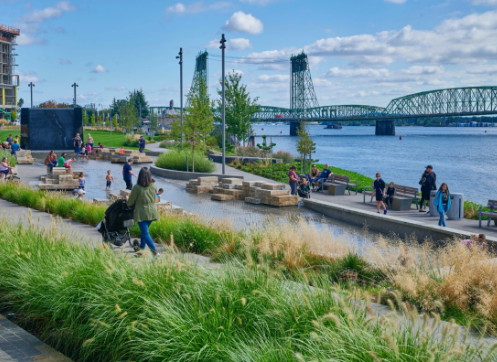
Georges Descombes is a renowned landscape architect known for his innovative waterfront designs that seamlessly blend ecological considerations with urban development. His work reflects a commitment to sustainability and enhancing the quality of life for communities by thoughtfully integrating natural elements.
1. Principles of Sustainable Waterfront Design
Descombes’s approach to waterfront design emphasizes sustainability as a core principle. He often incorporates native plant species and natural materials to create resilient landscapes that require less maintenance and resources. This results in a habitat that not only supports local wildlife but also allows for the gradual restoration of the ecosystem.
Furthermore, he focuses on managing water resources effectively, which is particularly crucial in waterfront designs. By utilizing techniques like bio-retention systems and permeable pavements, Descombes minimizes stormwater runoff, ensuring that rainwater is managed sustainably and helps replenish local water tables.
-
- Choose native plants to support local biodiversity.
-
- Incorporate natural water management systems.
-
- Use sustainable materials in construction.
-
- Design spaces that enhance community interaction.
2. Case Studies of Successful Projects
One standout example of Descombes’s work is the waterfront redevelopment of the Rhône Riverbank in Geneva, Switzerland. This project transformed the riverbank into a vibrant public space that balances recreational facilities with natural habitats. Visitors can enjoy walking paths, bike trails, and areas for various social activities, all while nearby wetlands thrive.
Another notable project is the design of the Isle of Nantes in France, where Descombes integrated artistic elements with functional design to enhance the area’s cultural significance. The project incorporates art installations, green spaces, and interactive elements, making the waterfront a hub of community engagement and cultural appreciation.
-
- Study successful projects to understand design integration.
-
- Engage local artists to enhance cultural relevance.
-
- Provide diverse recreational opportunities.
-
- Involve community stakeholders in the planning process.
3. Community Engagement in Waterfront Design
A crucial aspect of Descombes’s work is his dedication to engaging the community. He believes that involving local residents in the design process results in spaces that truly meet their needs. Community workshops, surveys, and discussions are integral to gathering feedback and insights, ensuring that designs resonate with the people who will use them.
Moreover, by fostering a sense of ownership among community members, these projects often see increased stewardship and care of the spaces. Educating the public about sustainability and ecological considerations also ensures that the benefits of the design are understood and appreciated by all.
-
- Organize workshops to gather community input.
-
- Provide educational materials on sustainable practices.
-
- Encourage volunteer opportunities for maintenance.
-
- Share project goals and updates with the community.
Georges Descombes’s waterfront designs illustrate a harmonious balance between urbanism and nature, emphasizing sustainability, community involvement, and innovative solutions. Consider consulting a professional if you’re planning a waterfront project to ensure it meets both ecological and community needs.