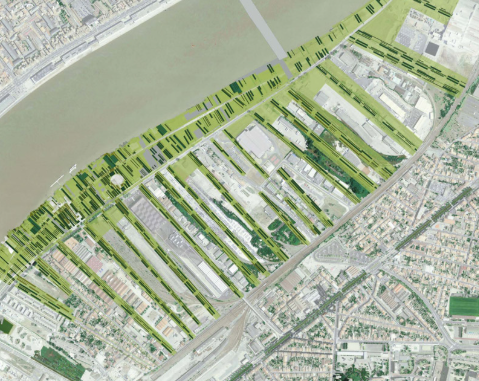
Michel Desvigne is a pioneer in the field of urban design, known for his forward-thinking approach that integrates sustainable practices with aesthetic beauty. His work emphasizes the significance of landscapes in urban settings, reflecting a deep understanding of ecology and community needs.
1. The Philosophy Behind Michel Desvigne’s Work
Desvigne’s philosophy revolves around the idea that urban spaces should foster a connection between nature and human experience. He strongly believes that landscapes are not just background settings but vital elements that shape our daily lives. For instance, in projects like the Parc André Citroën in Paris, he has transformed former industrial sites into vibrant green spaces that promote biodiversity and community interaction.
His designs often prioritize ecological balance and social engagement over mere functionality. By integrating native plant species and creating multipurpose areas, Desvigne encourages users to interact with their surroundings, whether through recreation or community events. This focus on human-centered design not only beautifies the urban fabric but also contributes to its sustainability.
-
- Research the ecological impact of urban spaces.
-
- Explore materials that reflect local architecture.
-
- Incorporate community feedback in planning stages.
-
- Promote biodiversity in all design elements.
-
- Integrate multipurpose spaces for various community activities.
2. Notable Projects and Their Impacts
Among Desvigne’s many impressive projects, the “ZAC Paris-Rive-Gauche” stands out as a benchmark for modern urban development. Here, he successfully combined residential, commercial, and recreational spaces while prioritizing pedestrian pathways and green areas. This project showcases how thoughtful planning can invigorate a previously overlooked district, leading to increased foot traffic and a sense of community ownership.
Another significant endeavor is the “L’Arbre Blanc” in Montpellier, where Desvigne’s design mimics natural formations to enhance residents’ connection with the landscape. The building incorporates terraces filled with trees and greenery, inviting a new paradigm of urban living that prioritizes environmental awareness. These projects highlight how innovative designs can positively impact urban environments and inspire community resilience.
-
- Analyze the social dynamics in the planning area.
-
- Use mixed-use development to create vibrant spaces.
-
- Focus on connectivity between various urban elements.
-
- Encourage local businesses to thrive in design considerations.
-
- Maintain flexibility for future modifications in designs.
3. Practical Applications of Desvigne’s Principles
Implementing Michel Desvigne’s design principles can dramatically alter how urban spaces are perceived and utilized. To apply his philosophy effectively, one should begin with a thorough community engagement process to understand local needs and aspirations. This allows for designs that resonate on a deeper level with residents, promoting a sense of belonging and ownership.
Moreover, integrating nature within urban landscapes isn’t just about adding green spaces; it’s also about creating habitats for wildlife. Desvigne’s designs encourage urban biodiversity by incorporating plants that attract pollinators. This not only enhances the aesthetic appeal but also contributes to local ecosystems, forming a symbiotic relationship between urban and natural environments.
-
- Hold community workshops to gather insights and ideas.
-
- Promote the use of local flora in landscape design.
-
- Establish green corridors for wildlife movement.
-
- Design spaces that encourage various human activities.
-
- Monitor ecological changes post-implementation for continuous improvement.
In conclusion, Michel Desvigne’s innovative approaches to urban design not only enhance cityscapes but also foster community engagement and environmental sustainability. By adopting his principles, urban planners and designers can create spaces that truly reflect and serve the needs of their communities. If you’re interested in transforming your urban area, consider consulting with professionals who share this holistic vision for the future of city living.