
Landscape architecture has evolved significantly from the time of influential figures like Frederick Law Olmsted to contemporary innovators such as James Corner. Understanding this evolution not only showcases the profession’s rich history but also highlights the transformative power of landscape design in our everyday lives.
1. The Legacy of Frederick Law Olmsted
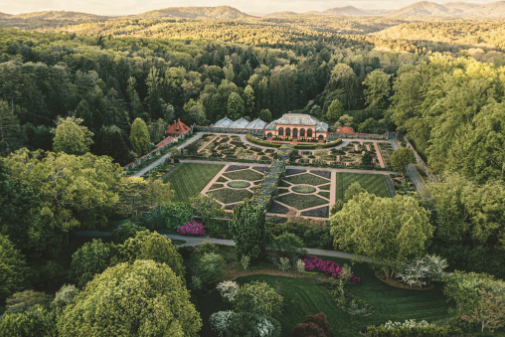
Frederick Law Olmsted, known as the father of American landscape architecture, played a pivotal role in shaping public spaces. He was the visionary behind Central Park in New York City, which set a precedent for urban parks around the world. Olmsted’s designs were characterized by their naturalistic approach, aiming to create an oasis within bustling cities. His emphasis on aesthetics, recreation, and public health made parks accessible to everyone, and his ideas continue to influence modern practices.
Moreover, Olmsted believed that landscapes should reflect the beauty of nature while providing functional recreational spaces. He was not just an architect but also a social reformer. His work extended beyond parks to include campuses, suburban neighborhoods, and even the design of the grounds for the United States Capitol. The principles he established, such as integrating public art and creating scenic views, laid the groundwork for future landscape architects to build upon.
-
- Explore Olmsted’s works to understand foundational principles.
-
- Study the integration of natural elements in urban design.
-
- Analyze the social implications of access to green spaces.
-
- Consider how to blend aesthetics with function in your projects.
2. The Vision of James Corner
James Corner is a contemporary landscape architect who has redefined the role of landscape in urban planning. Best known for his work on the High Line in New York City, Corner’s designs emphasize interaction, engagement, and dynamic experiences within landscapes. Unlike Olmsted’s more traditional approaches, Corner utilizes innovative materials and modern design technology to create multifunctional spaces that serve diverse communities.
His philosophy often incorporates the concept of “working with the site” rather than imposing design from a purely aesthetic standpoint. Corner believes in revealing the layers of history and culture embedded in a site, thereby encouraging a sense of place. He aims for his projects to be living reminders of the ecological processes and cultural narratives that shape urban environments. This approach has led to landscapes that connect people to their environment and to each other.
-
- Consider community engagement during the planning phase.
-
- Emphasize dynamic and interactive elements in your designs.
-
- Integrate modern technology and materials into your projects.
-
- Focus on storytelling and cultural narratives in landscape design.
3. Bridging Historical Perspectives with Modern Practices
The transition from Olmsted’s park systems to Corner’s urban landscapes highlights a broader shift in landscape architecture. Today, there is a growing recognition of the need for sustainability and resilience in design. While Olmsted’s work was groundbreaking for its time, contemporary practices often prioritize environmental concerns and social equity, recognizing the interconnectedness of human and ecological systems.
Modern landscape architects are tasked with creating spaces that not only beautify but also address climate change, biodiversity loss, and urban heat islands. This shift is evident in projects focusing on sustainable stormwater management, green roofs, and urban agriculture. By learning from the strengths of both historical and contemporary models, landscape designers can create spaces that are not just aesthetically pleasing but also environmentally responsible.
-
- Emphasize sustainability in your landscape designs.
-
- Conduct environmental impact assessments.
-
- Include native plants that promote biodiversity.
-
- Design for climate resilience to adapt to future conditions.
4. The Future of Landscape Architecture
As landscape architecture continues to evolve, several trends are shaping its future. One of these is the increasing emphasis on mental health and well-being. Research has shown that access to green spaces can significantly improve mental health outcomes, prompting landscape architects to create environments that promote relaxation and mindfulness. This focus reflects a broader societal shift toward recognizing the importance of mental health in urban planning.
Another significant trend is the integration of technology in landscape design. Smart parks are becoming increasingly popular, using sensors and data analytics to enhance user experience and optimize maintenance. These technologies allow cities to manage resources efficiently while improving citizen engagement. The future of landscape architecture will likely revolve around blending environmental stewardship with technological advancements to create functional and beautiful spaces.
-
- Stay updated on mental health research relevant to urban design.
-
- Explore smart technology that can enhance public spaces.
-
- Collaborate with mental health professionals in design processes.
-
- Engage in continuous education about new trends in landscape architecture.
In conclusion, understanding the evolution of landscape architecture from Olmsted to Corner provides valuable insights into how the profession has adapted over time. It is crucial for aspiring landscape architects to blend historical insights with modern practices to address the current challenges faced by urban environments. Consider collaborating with professionals, undertaking practical projects, or participating in workshops to further your knowledge and skills in this dynamic field.