
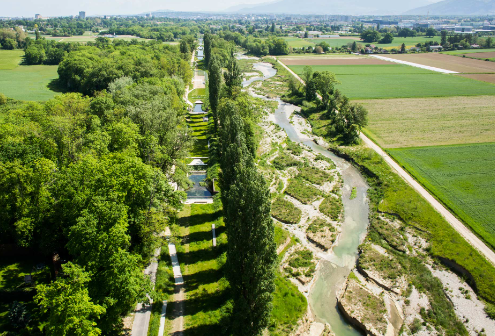
Georges Descombes is a pioneering figure in the field of landscape urbanism, transforming the way we think about urban spaces and their relationship with nature. His work emphasizes ecological sustainability and the integration of landscapes within urban environments, encouraging a holistic approach to city planning. This blog post explores the essence of Descombes’ landscape urbanism philosophy and its relevance to contemporary urban development.
1. Understanding Landscape Urbanism
Landscape urbanism is an innovative approach that merges landscape architecture with urban planning, emphasizing the importance of natural systems in urban environments. Georges Descombes advocates for a model that shifts the traditional paradigms, utilizing green spaces as integral components of urban design. His projects often highlight natural processes such as water management and biodiversity, demonstrating that landscapes are not mere backdrops but essential elements in shaping urban life.
In practice, landscape urbanism involves designing urban areas that are more than just built environments. For instance, Descombes incorporates elements like parks, green roofs, and natural water bodies into cityscapes, promoting ecological benefits and enhancing the quality of life for residents. This approach not only addresses aesthetic concerns but also tackles urban challenges such as stormwater management and air quality improvement.
-
- Foster biodiversity by incorporating native plants in designs.
-
- Utilize natural water filtration systems to manage stormwater.
-
- Design flexible public spaces that can accommodate various uses.
-
- Engage local communities in the planning process to reflect their needs.
-
- Integrate recreational spaces to promote physical health and well-being.
2. Key Projects of Georges Descombes
Throughout his career, Georges Descombes has worked on several noteworthy projects that illustrate the principles of landscape urbanism. One prominent example is the redesign of the Parc de la Bourdonnette in Switzerland. This project merges the functions of a park with ecological restoration, featuring diverse vegetation that supports local wildlife and provides recreational opportunities for residents.
Another significant project is the management of urban water systems in Marignane, France. This initiative not only aimed to enhance aesthetic qualities but also to address flooding issues through strategic landscape interventions. These projects showcase how Descombes’ approach not only beautifies urban spaces but also addresses underlying systemic issues within urban environments.
-
- Study successful landscape urbanism projects for inspiration.
-
- Consider ecological factors when designing urban spaces.
-
- Evaluate community needs before implementing landscape changes.
-
- Conduct pilot projects to test landscape designs on a smaller scale.
-
- Utilize local materials to enhance sustainability and context.
3. The Future of Urban Landscapes
The principles established by Georges Descombes are increasingly relevant as cities face challenges such as climate change, population growth, and diminishing resources. Landscape urbanism presents solutions that can help make urban spaces more resilient and adaptable. By prioritizing green infrastructure, cities can better manage environmental issues, enhance public health, and improve community connections.
As we move forward, integrating these landscape urbanism principles into city planning will be essential. Cities can benefit from creating multifunctional public spaces that serve both environmental and social purposes, fostering a sense of community while also addressing ecological needs. This future-oriented approach allows cities to thrive in harmony with nature, promoting sustainability and livability.
-
- Advocate for policies that support landscape urbanism initiatives.
-
- Promote community-based events to raise awareness about green spaces.
-
- Invest in training for urban planners in landscape urbanism methodologies.
-
- Encourage collaboration between architects, landscape architects, and city planners.
-
- Monitor and assess the impact of landscape interventions regularly.
In conclusion, exploring the work of Georges Descombes and the principles of landscape urbanism highlights the transformative potential of these approaches in urban design. As cities evolve, embracing these methods can lead to more sustainable and livable environments. Consider consulting a professional or starting a community initiative to advocate for greener urban spaces in your area.