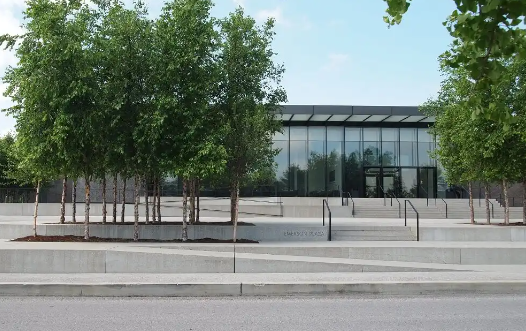
Michel Desvigne is a renowned urban landscape designer who has redefined how we perceive and interact with urban environments. His innovative approaches blend ecological awareness with aesthetic considerations, creating spaces that not only serve functional purposes but also enhance community life. In this post, we’ll explore some key aspects of his work and philosophy.
1. Emphasizing Nature in Urban Design
Desvigne firmly believes that urban landscapes should reflect natural ecosystems. He incorporates native plants and sustainable materials into his designs, promoting biodiversity within urban settings. For example, his project at the Clichy-Batignolles district in Paris showcases how green spaces can revitalize urban areas, blending architecture with nature seamlessly.
By focusing on ecological sustainability, Desvigne’s designs contribute to improved air quality and reduced urban heat islands. Encouraging wildlife through the use of local flora enhances the urban experience for residents and visitors alike. With this approach, he aims to create environments that foster a stronger connection between people and nature.
-
- Use native plants to enhance biodiversity.
-
- Incorporate green roofs and walls for insulation and aesthetics.
-
- Create wildlife corridors in urban settings.
-
- Design with local materials to reduce environmental impact.
2. Public Spaces as Community Hubs
Desvigne understands that well-designed public spaces can act as vital social hubs for communities. He emphasizes the creation of inclusive spaces that encourage interaction and engagement. For instance, his redesign of the Place de la République in Paris transformed a once-underutilized square into a vibrant gathering place for residents and tourists alike, complete with greenery, seating areas, and paths.
By prioritizing accessibility and interaction in his designs, Desvigne ensures that public spaces cater to diverse populations. Whether it’s a park, plaza, or waterfront, these areas serve as platforms for social activities, events, and culture, enriching the lives of those who use them. His work illustrates how thoughtful design can foster community connections.
-
- Design multi-functional spaces that encourage various activities.
-
- Incorporate seating and gathering areas in public spaces.
-
- Ensure accessibility for all by using universal design principles.
-
- Engage local communities in the design process for better outcomes.
3. The Role of Art in Urban Landscapes
Art plays an essential role in Desvigne’s urban landscape designs. He believes that integrating artistic elements can enhance the aesthetic appeal and cultural value of a space. Projects such as the Parc André Citroën in Paris feature art installations that invite exploration and interpretation, blending landscape design with artistic creativity.
Moreover, using art can create unique identifications for neighborhoods, encouraging community pride and engagement. Whether it’s through sculptures, murals, or interactive installations, incorporating art into urban landscapes fosters creativity and enhances the overall experience for visitors and residents. Desvigne’s work exemplifies how art and landscape design can coexist harmoniously.
-
- Explore local art styles and incorporate them into designs.
-
- Collaborate with local artists for unique installations.
-
- Create spaces for community art projects to engage residents.
-
- Design areas where art can evolve over time, such as murals.
In conclusion, Michel Desvigne’s work illustrates the profound impact that thoughtful landscape design can have on urban environments. By integrating nature, fostering community engagement, and embracing art, he creates spaces that genuinely enhance the quality of urban life. For those looking to pursue similar paths in their communities, consulting with professionals and exploring innovative landscape solutions is a vital next step.