
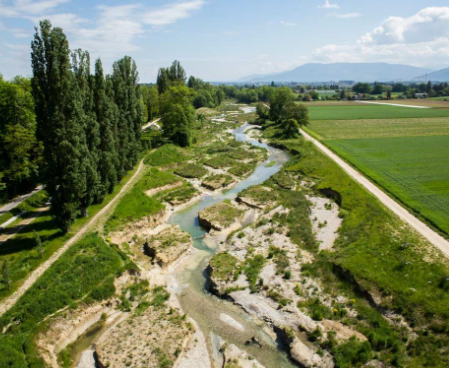
Georges Descombes is a renowned landscape designer whose innovative urban landscapes have transformed cities into engaging, livable spaces. His work emphasizes the importance of integrating natural elements into urban planning, thus creating environments that foster community connection and environmental sustainability.
1. Understanding Georges Descombes’ Design Philosophy
Descombes advocates for a design approach that prioritizes ecological health over mere aesthetics. He believes that landscapes should serve not only as visual enhancements but also as functional ecosystems that benefit both people and wildlife. This perspective leads him to incorporate native plant species and sustainable materials in his projects, ensuring that the designs resonate with the local environment and context.
One prominent example is his work on the Boucle de la Velines park in France. This project exemplifies his philosophy by utilizing marshlands and other natural habitats as integral components of the urban landscape. The park provides habitat for wildlife while offering recreational opportunities for residents, blending nature seamlessly into urban life.
-
- Research local ecosystems before beginning a design project.
-
- Incorporate native plants to enhance biodiversity.
-
- Consider the functional aspects of your landscape design.
-
- Utilize sustainable materials wherever possible.
-
- Engage the community in the planning process.
2. Innovative Techniques in Urban Landscape Design
Descombes is known for employing innovative techniques that challenge conventional landscape design. He often utilizes topographical changes to create multi-dimensional spaces that invite exploration and interaction. For instance, by manipulating elevation, he can create areas that offer varying perspectives of the urban environment, allowing for more dynamic experiences.
Another technique he utilizes is creating water elements that serve both aesthetic and practical purposes, such as stormwater management. His designs for urban parks often include features like bioswales and rain gardens. These not only beautify the area but also help manage runoff and improve water quality.
-
- Experiment with elevation changes in your designs.
-
- Incorporate water management features for both beauty and function.
-
- Encourage exploration through winding paths and interactive spaces.
-
- Consider the environmental impact of materials used in your designs.
-
- Collaborate with local experts to refine innovative techniques.
3. Creating Community-Centric Spaces
A key element of Descombes’ work is the focus on community and social interaction. He believes that well-designed landscapes can foster relationships among residents and encourage outdoor activities. His approach often includes communal spaces such as gardens, plazas, and children’s play areas that facilitate interaction and shared experiences among community members.
In his project for the rehabilitation of public squares, Descombes has shown how thoughtful design can transform neglected spaces into vibrant hubs for social engagement. Including benches, lighting, and art installations in these areas encourages residents to spend time outside and connect with one another, thus enhancing the community spirit.
-
- Design with the end-user in mind—consider community needs.
-
- Incorporate shared features like benches, picnic areas, and art.
-
- Focus on accessibility for all community members.
-
- Use local art and culture to enrich the space’s identity.
-
- Gather community feedback during the design process.
Georges Descombes’ urban landscape designs provide a refreshing perspective on how we can harmonize the built environment with nature. His innovative techniques, focus on community, and eco-friendly practices offer valuable lessons for anyone interested in urban planning or landscape design. By incorporating these principles, one can contribute to creating sustainable, engaging, and beautiful urban spaces.
As you contemplate your own landscape projects, consider consulting with professionals who specialize in sustainable design. By doing so, you can create environments that not only enhance aesthetic appeal but also enrich community relationships and environmental health.