
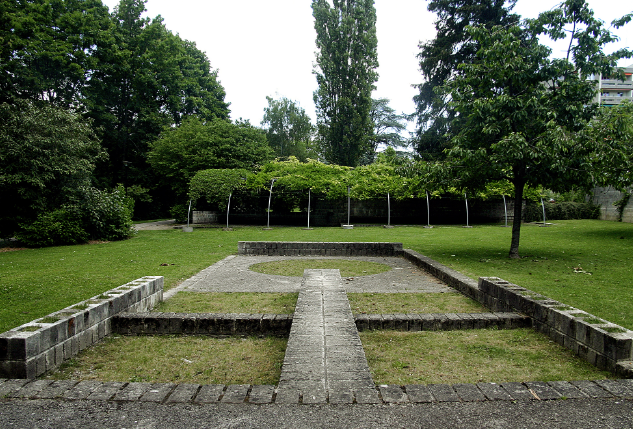
Georges Descombes is a renowned landscape architect whose work profoundly influences the interaction between landscapes and architecture. His distinctive approach encourages a deep engagement with the environment, creating spaces that resonate with both natural and urban elements.
1. The Philosophy Behind Descombes’ Landscape Design
At the core of Georges Descombes’ philosophy is a belief in the intrinsic connection between people and their surroundings. He emphasizes the importance of context, urging designers to consider the historical, cultural, and ecological narratives that shape a landscape. This approach fosters a sense of place that encourages users to explore and connect with the environments they inhabit.
Descombes argues that landscapes should not merely serve aesthetic purposes but also function as educational tools. His projects often incorporate elements that highlight ecological processes, history, or cultural significance, making the landscape a storytelling medium. This fusion of art, education, and interaction forms the foundation for his many successful projects, including parks, urban plazas, and public gardens.
-
- Understand the historical context of the landscape.
-
- Incorporate local flora and fauna into designs.
-
- Engage with community members during the design process.
-
- Consider the social implications of landscape architecture.
-
- Make designs interactive to encourage public engagement.
2. Case Studies of Successful Projects
One of Descombes’ most notable projects is the Parc de la Dréve, located in Switzerland. This park not only enhances the local environment but also preserves historical elements, paying homage to the natural and cultural heritage of the area. The thoughtful layout of pathways, seating areas, and planting schemes allows visitors to engage with the landscape in a meaningful way.
Another exemplary project is the renovation of the Geneva park, which reflects Descombes’ vision of integrating urban landscapes with natural ecosystems. Through careful planning, this project revitalized a previously neglected area, turning it into a vibrant hub for local relaxation and recreation. By intermingling native plants and sustainable materials, the park serves as a critical habitat for local wildlife while providing valuable green space for residents.
-
- Research the local ecology of project areas.
-
- Incorporate sustainable practices in design.
-
- Create multifunctional spaces that serve various user needs.
-
- Emphasize the use of local materials and craftsmanship.
-
- Engage local artists and community members in the design process.
3. The Impact of Landscape Architecture on Urban Development
Georges Descombes’ work highlights how landscape architecture significantly influences urban development. His designs encourage sustainability, helping cities adapt to climate change and increasing environmental awareness among their inhabitants. By integrating green spaces into urban areas, he demonstrates the potential for landscapes to mitigate urban issues like flooding and air pollution.
Additionally, Descombes’ approach fosters social interaction in urban settings. Carefully designed parks and open spaces create communal areas where people can gather, promoting social cohesion and enhancing the quality of life in urban environments. These aspects underscore the importance of investing in landscape architecture as a strategy for holistic urban development.
-
- Promote green infrastructure to solve urban problems.
-
- Design public spaces with inclusivity and accessibility in mind.
-
- Utilize technology to enhance the user experience in landscapes.
-
- Encourage partnership between city planners and landscape architects.
-
- Focus on creating spaces that address community needs and values.
4. The Role of Community in Landscape Development
Georges Descombes underscores the necessity of community involvement in landscape development. By engaging with local populations, designers can better understand the needs, aspirations, and challenges of the area. This collaborative approach ensures that the final design not only addresses practical concerns but also resonates with the identity and desires of the community it serves.
Moreover, regular community participation can help foster a sense of ownership and responsibility towards the landscape. When residents have a role in the development process, they are more likely to care for and maintain the spaces, ensuring their longevity and relevance. Descombes advocates for methods such as workshops, surveys, and public meetings to stimulate meaningful dialogue between designers and community members.
-
- Organize community workshops to gather input and ideas.
-
- Utilize surveys to understand public preferences and needs.
-
- Engage local advocates or community leaders in discussions.
-
- Make meetings accessible and inclusive for all demographic groups.
-
- Share knowledge about environmental stewardship and maintenance.
In conclusion, Georges Descombes’ approach to landscape architecture offers valuable insights into creating meaningful, sustainable spaces that foster community connections and respect for the environment. To embrace this philosophy in your own projects, consider consulting with professionals or collaborating with local communities to enrich the design process and make a lasting impact.