
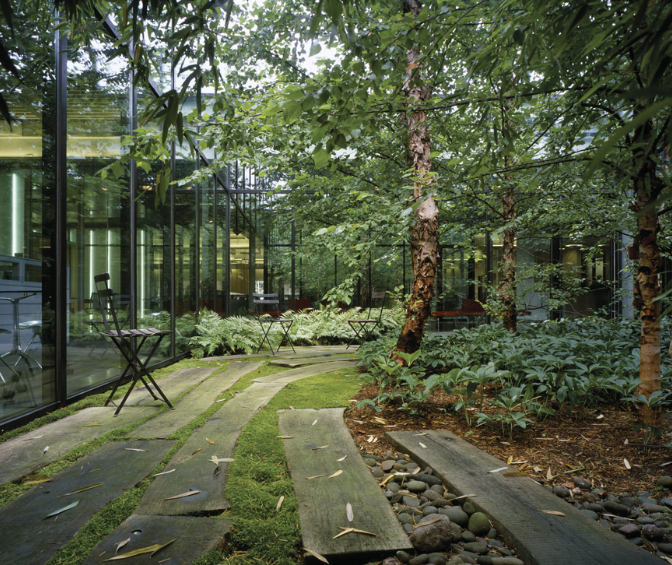
Michael Van Valkenburgh Associates is renowned for its innovative and ecological approach to campus landscapes. The design philosophy emphasizes harmony with nature, sustainability, and user engagement, fostering a healing environment on academic grounds. In this blog post, we’ll explore the essentials of his campus landscapes and their impact on education and community well-being.
1. The Design Philosophy Behind Van Valkenburgh’s Campus Landscapes
The design philosophy of Michael Van Valkenburgh associates is centered on creating landscapes that resonate with their surroundings while fulfilling the needs of the community. His approach integrates elements such as natural topography, local flora, and sustainable practices to produce functional and aesthetically pleasing environments. This focus on context ensures that each project contributes positively to its specific setting and the ecological health of the area.
Furthermore, the use of native plant species is a hallmark of Van Valkenburgh’s designs. By prioritizing local greenery, these landscapes promote biodiversity and resilience against climate challenges. For instance, in projects like the Harvard University Campus, the careful selection of plants not only enhances beauty but also supports local pollinators and wildlife.
-
- Familiarize yourself with local flora before selecting plants.
-
- Consider the natural contour of the land when designing paths or installations.
-
- Incorporate sustainable practices like rain gardens or permeable pavements.
-
- Think about community needs and how they can be integrated into design.
2. Creating Engaging and Functional Spaces
One of the key aspects of Van Valkenburgh’s landscapes is their ability to function as social and communal hotspots. The designs often feature open plazas, gathering areas, and seating opportunities that draw people together. By creating spaces that encourage interaction, these environments foster a sense of community and engagement among users.
Moreover, the careful layout of pathways and greenery enhances wayfinding on campus. Clear, intuitive routes allow users to navigate spaces easily, promoting exploration and encouraging outdoor activities. The incorporation of art and cultural elements into these landscapes also enriches the experience. In projects such as the Brooklyn Bridge Park, sculptures and installations are seamlessly integrated into the natural setting, transforming the landscape into an interactive gallery.
-
- Design spaces that naturally encourage gatherings and social interaction.
-
- Make pathways intuitive and user-friendly to enhance accessibility.
-
- Incorporate local art to create a unique cultural identity.
-
- Ensure seating areas are comfortable and strategically placed.
3. Environmental Sustainability in Campus Landscapes
Sustainability is at the core of Michael Van Valkenburgh’s campus landscapes. His designs often incorporate green infrastructure techniques that promote ecological health while addressing urban challenges. Elements like bioswales, green roofs, and rain gardens not only manage stormwater but also enhance urban biodiversity.
Additionally, the focus on ecological restoration and conservation is evident in his work. Projects aim to rehabilitate disturbed areas, improve soil health, and restore native habitats. For instance, the transformation of campus landscapes at institutions such as the University of Virginia brings back essential ecosystems, ensuring the longevity and vitality of the area while providing educational opportunities for students and faculty alike.
-
- Implement green infrastructure techniques for stormwater management.
-
- Choose native plants to enhance local biodiversity and resilience.
-
- Educate the community about the importance of sustainability.
-
- Regularly assess and adapt your landscape practices for continuous improvement.
In conclusion, Michael Van Valkenburgh’s campus landscapes are a testament to the power of thoughtful design in promoting community engagement and sustainability. By considering local ecology and user needs, these spaces become much more than just green areas—they transform into vital communal hubs. Whether you’re an educator, student, or landscape enthusiast, taking the next step to explore these landscapes can enhance your appreciation for thoughtful design and its myriad benefits.