
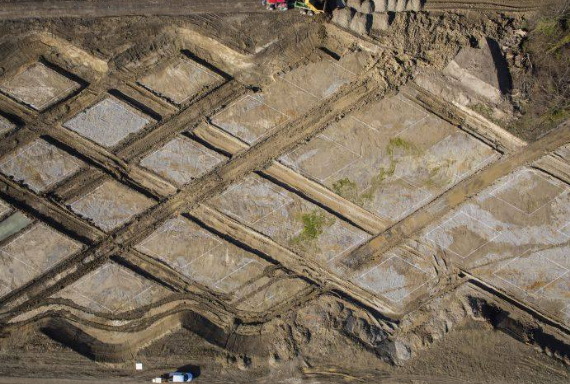
Urban regeneration is a crucial process that revitalizes distressed areas, enhancing urban environments and improving the quality of life for residents. One significant figure in this field is Georges Descombes, whose innovative approaches to urban design and regeneration have garnered attention worldwide. This blog post will explore Descombes’ methodologies and their transformative impact on urban landscapes.
1. Understanding Urban Regeneration Through Descombes’ Lens
Georges Descombes emphasizes the importance of sustainability and community engagement in urban regeneration. His belief is that urban spaces should not only be functional but also foster social interactions and enhance the ecological integrity of communities. For instance, in the transformation of industrial wastelands into vibrant parks or multi-use spaces, Descombes integrates nature into the urban fabric, creating areas where people can connect with the environment and each other.
An example of his work includes the regeneration of urban brownfields in Switzerland, where he has converted derelict areas into thriving community hubs. This process involves a detailed analysis of the existing landscape, ensuring that new developments respect historical context while providing modern amenities. Descombes’ projects often highlight local culture and history, making them unique to their settings and encouraging community pride.
-
- Engage with local communities to understand their needs and aspirations.
-
- Focus on sustainability by incorporating green infrastructure.
-
- Analyze historical and cultural contexts to guide new developments.
-
- Utilize mixed-use designs that cater to both residential and commercial needs.
2. The Principles of Descombes’ Methodology
Descombes’ methodologies hinge on several core principles: ecological sustainability, community involvement, and adaptive reuse. His projects often feature green spaces, integrated public transit, and pedestrian-friendly walkways. By prioritizing ecological designs—like rain gardens and urban forests—Descombes helps cities manage stormwater effectively while also enhancing biodiversity.
Additionally, community involvement is key to his work. By hosting workshops and community outreach initiatives, he ensures that residents have a voice in the planning processes. This participatory approach not only leads to more accepted and functional designs but also fosters a sense of ownership among community members. Projects become a source of pride, reflecting the unique character of the neighborhoods they serve.
-
- Incorporate green designs in every urban project.
-
- Conduct community workshops for inclusive planning.
-
- Focus on adaptive reuse, repurposing existing structures.
-
- Make walking and public transportation a priority in urban designs.
3. Case Studies of Successful Regeneration Projects
One notable case study showcasing Descombes’ impact is the transformation of the “Les Jardins de l’Innovations” in Geneva, Switzerland. In this project, a former industrial site was converted into innovative landscapes filled with community gardens, recreational areas, and public art installations. The project not only revived a neglected area but also promoted environmental stewardship among residents.
Another example is the collaborative work with local artist groups to enhance public spaces. Art murals and installations transform bland, gray walls into vibrant displays of community spirit. This approach illustrates how integrating art into urban design can drive engagement, foster identity, and celebrate local history, creating spaces that feel alive and relevant to community members.
-
- Identify potential sites for regeneration through research.
-
- Involve artists in planning to create unique community identity.
-
- Monitor and adjust designs based on community feedback.
-
- Document the transformation process to inspire future projects.
Georges Descombes’ work in urban regeneration reflects a deep understanding of ecological, cultural, and social dynamics within city environments. His innovative methodologies and community-focused approaches illustrate how thoughtful design can lead to sustainable and lively urban spaces.
In conclusion, exploring and implementing urban regeneration concepts inspired by leaders like Georges Descombes can be essential for healthier, more vibrant cities. If you are involved in urban planning or community development, consider consulting professionals in sustainable design to create spaces that benefit everyone.