
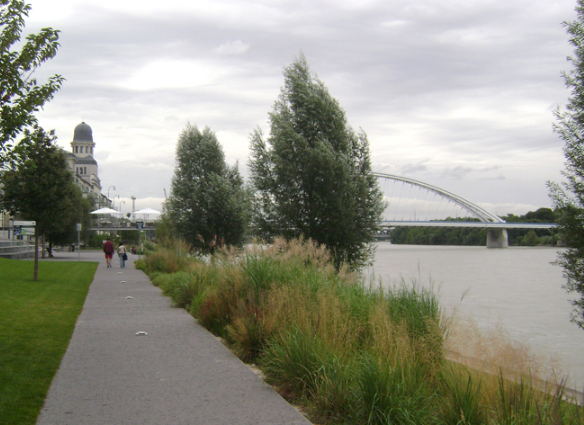
Michel Desvigne is renowned for his riverfront landscape designs that seamlessly integrate nature with urban settings. His innovative approach focuses on enhancing the ecological and aesthetic value of waterfront areas, transforming them into vibrant public spaces. This blog post explores his philosophy, key projects, and practical tips for successful riverfront landscape design.
1. Philosophy of Integrated Landscape Design
Desvigne believes in integrating landscapes into the existing environment rather than imposing them. His designs often reflect local ecology, climate, and culture, ensuring that the spaces are not only visually appealing but also ecologically sustainable. For instance, his work on the banks of the Seine in Paris emphasizes native flora, creating habitats for local wildlife while enhancing community engagement.
One of his signature styles includes using a mix of hardscaping and softscaping elements to create diverse environments. This approach can transform underutilized urban waterfronts into lively areas where people can gather, relax, and interact with nature. Desvigne’s projects often include walking paths, seating areas, and gardens that connect visitors to the river and its surroundings.
-
- Research local ecology to inform plant selection.
-
- Incorporate both soft and hard materials for diversity.
-
- Design multi-use paths that encourage community interaction.
-
- Ensure that designs reflect cultural significance of the area.
2. Notable Projects that Inspire
Michel Desvigne’s design for the Parc de la Cité du Design in Saint-Étienne is a prime example of his ability to transform urban landscapes. This park features a series of interconnected green spaces alongside the river, which provide both recreational areas for the public and natural habitats for wildlife. The layout encourages exploration and creates an immersive experience, making it a favored spot among locals.
Another remarkable project is the renovation of the riverfront in Bordeaux, France, where Desvigne implemented a linear park that emphasizes the importance of water in urban life. This development not only revitalized the area but also served as a catalyst for economic growth and community pride. The design includes playful fountains and artistic installations, blending nature with cultural expression.
-
- Study successful projects by Desvigne for inspiration.
-
- Visit riverfront areas during different seasons to understand usage.
-
- Engage with local communities to gather feedback on designs.
-
- Document any local history or culture that can inform your design.
3. Practical Tips for Effective Design
Creating a successful riverfront landscape requires careful planning and execution. First, consider the natural topography and existing vegetation to ensure that your design enhances the area without disrupting its ecosystem. For instance, incorporating rain gardens and green roofs helps manage stormwater effectively while promoting biodiversity.
Additionally, focus on creating inclusive spaces that cater to diverse user groups. Design pathways, seating, and recreational areas that accommodate families, individuals, and people with disabilities. This ensures that your riverfront space is accessible and enjoyable for everyone. Be mindful of local climate conditions to select appropriate materials and plants that will thrive in the environment.
-
- Conduct environmental assessments to inform your design.
-
- Select native plants for sustainability and wildlife attraction.
-
- Design with flexibility to adapt to changing climate conditions.
-
- Ensure accessibility features are incorporated from the start.
In summary, the riverfront landscape designs of Michel Desvigne offer a unique blend of beauty and functionality that prioritize both human and ecological needs. By understanding his philosophy and studying successful projects, you can implement effective strategies in your own designs. Whether you’re a designer, community leader, or simply an enthusiast, embracing these principles will help create harmonious riverfront spaces. Consider consulting a landscape professional to bring your vision to life or start exploring local riverfronts for inspiration.