
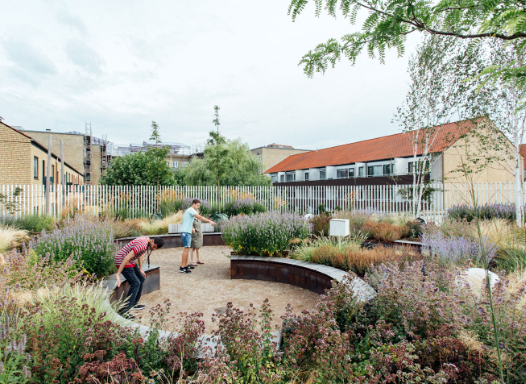
Landscape architecture is not just about creating beautiful spaces; it’s about designing environments that engage the senses. From the sound of rustling leaves to the fragrant blooms of seasonal flowers, the sensory experience forms a vital part of how we interact with outdoor spaces. In this blog post, we will explore how landscape architecture can awaken our senses and foster a deeper connection with nature.
1. Engaging the Sense of Sight
The visual appeal of a landscape can dramatically influence how we perceive a space. Thoughtful layout, plant selection, and play of colors can create a stunning visual experience, drawing people in and encouraging them to explore. For instance, a well-designed garden might feature vibrant seasonal flowers, carefully placed to bloom at different times throughout the year, ensuring that there’s always something beautiful to see. Additionally, the use of contrasting materials, like stone paths against green lawns or water features, can enhance visual interest and lead to a more immersive environment.
Color theory plays a significant role in landscape design, affecting our mood and feelings. Warm colors like reds and yellows can energize a space, while cooler colors, such as blues and greens, tend to evoke calmness. For example, a park designed with a palette of greens and blues will offer a tranquil escape, allowing visitors to relax and recharge. Integrating elements like art installations or sculptures can also attract attention and serve as focal points, further enriching the visual experience.
-
- Choose plants with varying colors for seasonal interest.
-
- Incorporate water features for added visual appeal.
-
- Utilize contrasting materials for pathways and structures.
-
- Use lighting strategically to enhance visual elements at night.
-
- Consider the placement of art and sculptures for focal points.
2. Invoking the Sense of Sound
Sound is an often-overlooked aspect of landscape architecture, yet it plays a crucial role in how we experience outdoor environments. Natural sounds, such as rustling leaves, flowing water, and birdsong, can create a soothing atmosphere. For example, a well-placed fountain can not only serve as a visual centerpiece but also produce calming water sounds that enhance the overall ambiance of a park or garden. The strategic placement of trees and plants can also help mitigate noise pollution, turning a busy roadside into a more tranquil area.
Moreover, soundscapes can be deliberately designed to foster community interactions or solitude, depending on the intended experience. For instance, an outdoor gathering space might include seating arrangements that encourage conversation while incorporating elements that promote engagement with nature’s sounds, such as wind chimes or the gentle trickle of a creek. This approach not only enhances the sensory experience but can also make the space more inviting and enjoyable for visitors.
-
- Incorporate water features to add soothing sounds.
-
- Use trees to buffer against unwanted noises.
-
- Design spaces that encourage conversation and social interaction.
-
- Integrate elements that create gentle, musical sounds.
-
- Consider the sound of plants moving in the wind.
3. Connecting with the Sense of Smell
The sense of smell can evoke powerful memories and emotions, making it a key element in landscape architecture. Specifically chosen fragrant plants can significantly enhance a space, creating an immersive and memorable experience. For example, including lavender, jasmine, or rosemary in a garden not only adds visual appeal but also infuses the atmosphere with delightful scents that can uplift the mood. Additionally, sensory gardens designed specifically for therapeutic purposes often utilize aromatic herbs and flowers to engage visitors fully.
Creating pathways lined with fragrances can guide visitors through a landscape, allowing them to experience various scents as they wander. For example, planting a herb garden close to a seating area can invite people to sit and enjoy the aromatic surroundings, promoting relaxation and mindfulness. Implementing seasonal blooms throughout the year can also ensure that the sensory experience remains fresh and appealing over time.
-
- Choose fragrant plants to enhance sensory experiences.
-
- Plant herbs near seating areas for added aroma.
-
- Rotate seasonal blooms to keep scents fresh year-round.
-
- Design pathways that guide visitors through aromatic zones.
-
- Incorporate edible plants that engage taste as well.
4. Tactile Experiences in Landscape Design
The texture of materials and plantings also contributes to the sensory experience in landscape architecture. Different surfaces, whether rough stones, smooth pavers, or soft grass, influence how we perceive and interact with outdoor spaces. For instance, a meadow with wildflowers can invite passersby to touch the soft petals, offering a more personal connection to nature. Pathway designs might use varied materials to encourage exploration and evoke curiosity about different textures.
Moreover, tactile experiences can be enhanced through interactive installations. Features such as living walls, touchable art pieces, and diverse ground materials allow people to engage physically with their surroundings, creating a more dynamic experience. These elements not only render the space more inviting but also stimulate various senses, reinforcing the idea that landscape architecture is a holistic practice.
-
- Incorporate diverse materials for paths and surfaces.
-
- Use plants with various textures for tactile exploration.
-
- Include interactive features for engagement.
-
- Design spaces that encourage visitors to touch plants safely.
-
- Consider seasonal changes in texture for ongoing engagement.
In conclusion, landscape architecture is an intricate dance of sensory experiences that deeply impact how individuals relate to their environment. By focusing on engaging sight, sound, smell, and touch, designers can create spaces that resonate with visitors on multiple levels. If you’re inspired by these ideas, consider consulting a professional landscape architect to explore how you can enhance your own outdoor spaces.