
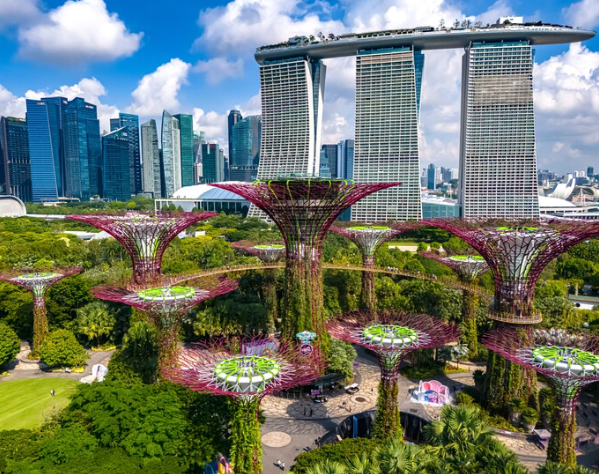
Landscape architecture plays a vital role in enhancing the quality of life in dense urban environments. As cities continue to grow, the importance of integrating green spaces, sustainable practices, and innovative design becomes increasingly apparent. This blog post explores how landscape architecture addresses the challenges and opportunities presented by dense city living.
1. Transforming Urban Spaces Through Green Design
In dense urban areas, space is limited, making it essential to maximize the potential of available land. Landscape architects prioritize the integration of green spaces such as parks, green roofs, and vertical gardens. These spaces not only beautify the urban landscape but also improve air quality, provide habitats for wildlife, and enhance social interactions among residents. For instance, New York City’s High Line is a prime example of repurposing abandoned railway tracks into a flourishing public park that revives the surrounding area.
Furthermore, the benefits of green design extend to mental health and well-being. Studies indicate that access to nature can reduce stress and improve overall happiness. By incorporating natural elements into designs, landscape architects help create environments that promote relaxation and community engagement. Urban gardens, for example, bring communities together by allowing residents to cultivate their own plots, fostering connections that enhance local identity.
-
- Research existing green spaces in your city to gain inspiration.
-
- Consider implementing a community garden for local involvement.
-
- Explore adding trees to your neighborhood to improve air quality.
-
- Engage with local residents to understand their needs and desires.
-
- Advocate for green roofs on commercial buildings to maximize space.
2. Sustainable Practices in Urban Landscape Architecture
As environmental concerns continue to rise, sustainable practices in landscape architecture are becoming more crucial in dense urban settings. This means designing spaces that utilize resources efficiently, manage stormwater, and enhance biodiversity. Landscape architects are increasingly incorporating permeable paving materials and native plants, which require less water and maintenance, thereby reducing the urban heat island effect. For example, the use of bioswales in parking lots can capture rainwater runoff, preventing flooding and improving water quality.
Moreover, sustainability extends beyond plant selection; it involves incorporating smart technology in urban landscapes. For instance, some cities are using sensors to monitor soil moisture, which helps maintain gardens and parks while conserving water. Engaging with technology not only makes cities smarter but also more eco-friendly, creating a harmonious balance between nature and urban life.
-
- Investigate the use of native plants to reduce watering needs.
-
- Think about implementing rain gardens to manage excess water.
-
- Incorporate smart irrigation systems to conserve water.
-
- Consider using locally sourced materials to minimize transportation impacts.
-
- Encourage local wildlife by planting pollinator-friendly species.
3. Enhancing Community Connectivity and Accessibility
Urban landscapes can greatly impact how communities interact and engage with one another. Landscape architects aim to create spaces that are accessible and connect various community areas, making it easier for residents to navigate their neighborhoods. Strategies such as well-designed pedestrian paths, bike lanes, and plazas can transform once-isolated corners of cities into vibrant meeting spots. For example, the revitalization of the waterfront in Chicago has not only improved access to the lake but also created a social hub for residents and tourists alike.
In addition, designing multi-modal transport options can reduce vehicular traffic, lessen pollution, and promote social interaction. Incorporating art installations and seating in public areas encourages community gatherings and cultural expression. When landscape architects prioritize connectivity, they create inclusive spaces that foster a sense of belonging and improve overall community health.
-
- Ensure pathways are wide and well-maintained for all users.
-
- Design parks with seating areas to encourage social interaction.
-
- Integrate bike paths with public transport for better access.
-
- Utilize public art to promote local culture and engagement.
-
- Consider safety features, like adequate lighting, in public spaces.
In conclusion, landscape architecture is essential in shaping sustainable and livable urban environments. By integrating green design, sustainable practices, and enhancing community connectivity, landscape architects can improve the quality of life in densely populated cities. If you’re passionate about urban spaces, consider consulting a professional to explore how landscape architecture could enhance your community.