
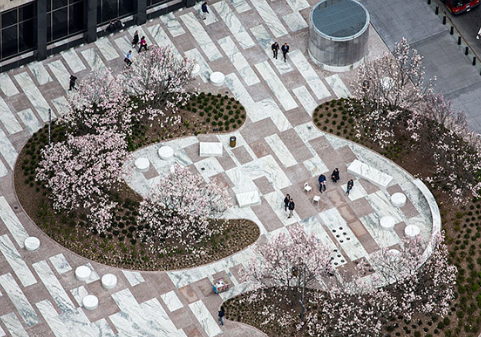
Michael Van Valkenburgh is a significant figure in the field of landscape urbanism, known for his innovative design approaches that integrate natural landscapes with urban environments. His work emphasizes the importance of ecology, sustainability, and social connectivity, making cities more livable and green. This blog post delves into the principles of Van Valkenburgh’s design philosophy and explores how they can be applied in urban planning projects.
1. The Philosophy Behind Landscape Urbanism
Van Valkenburgh’s philosophy of landscape urbanism fundamentally challenges traditional ideas about the division between urban and natural spaces. He believes that cities should not merely be built environments but should incorporate natural ecosystems as vital components. For example, his work on the Brooklyn Bridge Park effectively merges the waterfront with urban life, encouraging recreational activities while preserving local ecology.
His designs often prioritize sustainability and resilience, adapting to climate challenges rather than imposing rigid structures on the landscape. By focusing on creating spaces that enhance biodiversity and ecological health, Van Valkenburgh sets a precedent for future urban developments. His projects highlight how integrating nature can lead to better public health and well-being by inviting social interaction and providing urban respite.
-
- Study successful projects like Brooklyn Bridge Park to understand integration techniques.
-
- Consider ecological considerations in initial planning phases.
-
- Engage community input for better design outcomes.
-
- Focus on adaptable designs that respond to climate changes.
2. Notable Projects and Their Impact
One of the standout projects by Michael Van Valkenburgh is the Minneapolis Riverfront redevelopment. This project redefined the area by restoring natural habitats while also enhancing urban access to the river. The design process involved extensive community engagement and ecological studies, allowing it to serve both residents and wildlife—a true example of his landscape urbanism principles in action.
Another impressive project is the design of the Denver Botanic Gardens. Here, Van Valkenburgh integrated a series of themed gardens that enhance biodiversity and provide spaces for education and relaxation. The gardens serve not only as a recreational area but also as a living laboratory for ecological studies. These projects showcase how thoughtful landscape architecture can harmonize urban living with nature.
-
- Review case studies of successful Van Valkenburgh projects for insights.
-
- Identify key elements that foster community engagement.
-
- Evaluate the ecological benefits realized post-project completion.
-
- Consider cultural relevance in design elements and public spaces.
3. Implementing Principles in Local Urban Design
To leverage Michael Van Valkenburgh’s principles of landscape urbanism in your own community or urban design project, start by assessing the existing landscape. Identify areas where natural features can be highlighted or restored. This may include increasing green spaces, creating wildlife corridors, or integrating water features. Collaboration with local environmental groups can enhance the ecological integrity of projects.
Collaboration is crucial in translating these principles into practice. Engage architects, ecologists, and community stakeholders early in the planning process to gather diverse perspectives and expertise. Hosting workshops can facilitate discussions on goals and visions, paving the way for innovative and inclusive design solutions. By creating a shared vision, you can connect urban dwellers more meaningfully to their environments.
-
- Conduct landscape assessments to identify natural features.
-
- Engage with stakeholders to develop a collective vision.
-
- Implement short-term projects while planning larger transformations.
-
- Continuously monitor ecological impacts and community feedback.
Michael Van Valkenburgh’s landscape urbanism has set a benchmark for integrating natural and urban environments. By focusing on sustainability, community, and ecological health, his work offers valuable lessons for urban planners and designers. As you explore these principles, consider engaging local experts and groups to enhance your community’s interaction with its landscape.