
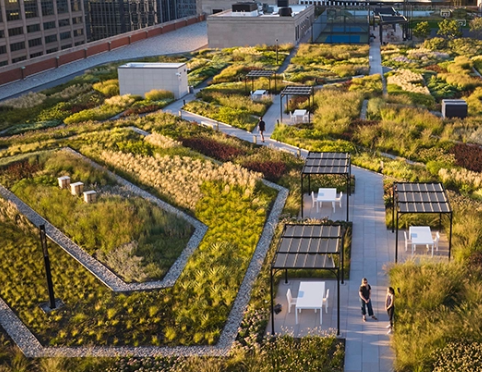
Michael Van Valkenburgh is a prominent landscape architect known for his innovative public space designs. His work emphasizes the integration of nature with urban environments, fostering community interaction and ecological sustainability.
1. Principles of Van Valkenburgh’s Design Philosophy
Michael Van Valkenburgh’s design philosophy revolves around creating spaces that encourage a strong connection between people and nature. He believes that public spaces should be inviting and function as vital community hubs. His designs often incorporate local materials and native plant species, aiming to reflect the regional landscape and culture.
Another key aspect of his philosophy is the importance of adaptability in design. Spaces must cater to varied activities and demographic groups, from families to solitary visitors. This intentional flexibility is crucial for fostering inclusivity, ensuring that everyone feels welcome and able to engage with the environment.
-
- Consider the local environment when selecting materials.
-
- Incorporate native flora to promote biodiversity.
-
- Design for versatility in community activities.
-
- Create pathways that encourage exploration and interaction.
-
- Ensure spaces are accessible for all age groups and abilities.
2. Notable Projects by Van Valkenburgh
One of Van Valkenburgh’s most celebrated projects is the Brooklyn Bridge Park in New York City. This expansive waterfront park revitalized a previously industrial area, transforming it into a vital green space for the community. The design integrates recreational areas, seasonal activities, and stunning views of Manhattan, all while emphasizing environmental restoration along the East River.
Another significant project is the design of the landscape for the Institute of Contemporary Art in Boston. In this project, Van Valkenburgh utilized the surrounding water and city as a backdrop, creating engaging entryways and outdoor spaces that draw the public in. The design encourages visitors to roam, with an emphasis on both permanent and temporary installations that change with the seasons.
-
- Research local history and cultural narratives for inspiration.
-
- Blend recreational spaces with community gathering spots.
-
- Consider multi-use spaces for different forms of art and activities.
-
- Make use of waterways to enhance natural beauty and engagement.
3. Environmental Considerations in Design
Environmental sustainability is a cornerstone of Van Valkenburgh’s approach. He often emphasizes stormwater management and ecological restoration in his designs, ensuring that landscapes function naturally and serve the surrounding ecosystem. For example, using bioswales and native plants can help manage rainwater while minimizing urban runoff.
Additionally, his designs advocate for the preservation of green spaces in increasingly urbanized areas. By incorporating natural habitats within cityscapes, he helps mitigate urban heat islands and encourages wildlife. Engaging the community in these environmental initiatives can create greater awareness and stewardship of local ecosystems.
-
- Utilize permeable materials to enhance water retention.
-
- Promote public awareness through educational programs.
-
- Engage with local ecologists when planning projects.
-
- Design green roofs or vertical gardens to maximize space.
In conclusion, the public space designs of Michael Van Valkenburgh reflect a deep commitment to community engagement and environmental sustainability. His projects serve as vital resources that enhance urban living and invite individuals to reconnect with nature. If you are inspired by these concepts, consider consulting with a landscape architect to explore how you can improve your local community space.