
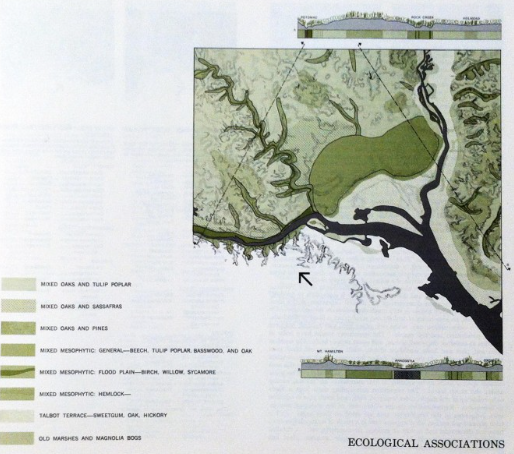
Ian McHarg was a pioneering figure in the realm of ecological planning, known for his innovative approaches to sustainable development. His work has left an indelible mark on how we relate to the environment, pushing for a design philosophy that integrates nature into urban planning and development.
1. The Legacy of Ian McHarg
One of Ian McHarg’s most influential contributions to ecological planning was his book, “Design with Nature,” published in 1969. This seminal work introduced the concept of using ecology as a guide for design rather than treating it as an afterthought. McHarg emphasized the importance of understanding ecological systems, advocating for planners and architects to consider the natural environment in their projects.
McHarg’s principles encourage a holistic view of land-use planning, where natural features and processes are integrated into decision-making. This approach has led to more resilient urban environments that promote biodiversity and reduce environmental degradation. Modern urban planners and architects continue to reference McHarg’s philosophies when designing cities that prioritize ecological sustainability and community well-being.
-
- Read “Design with Nature” to understand foundational concepts.
-
- Explore case studies that have implemented McHarg’s ideas.
-
- Consider local ecological features when planning any development.
-
- Encourage interdisciplinary collaboration in planning processes.
2. Techniques for Eco-Friendly Planning
McHarg introduced a variety of techniques to promote sustainability in land-use. One of these is the idea of “suitability mapping,” which involves using overlays to analyze different ecological variables such as soil type, water availability, and existing vegetation. This technique helps planners determine the best areas for development while minimizing harm to the environment.
An essential aspect of McHarg’s work is the notion of “natural systems thinking.” This entails recognizing that human activities are part of larger ecological networks. By viewing urban development as interconnected with its environment, planners can create designs that work harmoniously with nature and avoid disruptive practices—leading to sustainable social, economic, and environmental outcomes.
-
- Utilize technology for creating suitability maps.
-
- Engage in community discussions about ecological impacts.
-
- Consider retrofitting existing structures to minimize environmental disruption.
-
- Invest in green infrastructure, such as rain gardens and green roofs.
3. The Importance of Community Involvement
Another significant aspect of McHarg’s ecological planning was his emphasis on community involvement. He believed that local inhabitants should have a voice in the decision-making processes affecting their environment. This participatory approach not only empowers communities but also ensures that projects reflect the needs and desires of the populace.
Engaging the community can take multiple forms, from public workshops to surveys and open forums. By actively involving residents, planners can gather invaluable local knowledge, which can be instrumental in identifying ecological concerns that may not be evident through scientific data alone. This collective input helps ensure that planning decisions are both ecologically sound and socially equitable.
-
- Hold public forums to gather community feedback on projects.
-
- Develop collaborative platforms for ongoing community engagement.
-
- Distribute surveys to understand community needs and priorities.
-
- Celebrate local ecological features in community events to raise awareness.
In conclusion, Ian McHarg’s legacy in ecological planning offers invaluable insights into the essential relationship between humanity and the environment. For those interested in sustainable development, embracing his principles can lead to healthier communities and a more resilient planet. Consider consulting with a professional in ecological planning or exploring ways to apply these techniques in your local area.