
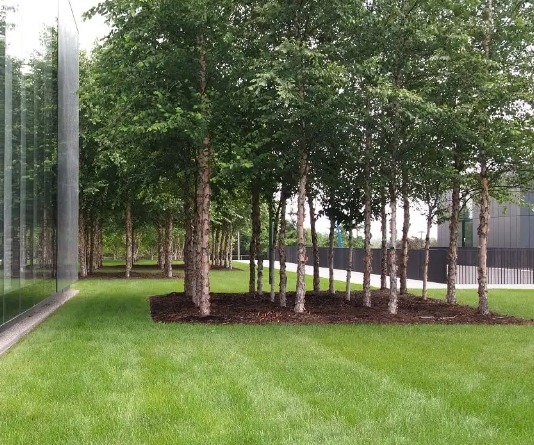
Michel Desvigne is a significant figure in the realm of landscape urbanism, known for his innovative approaches to integrating nature into urban environments. His work emphasizes the importance of landscape as a crucial element in urban planning and design, aiming to create sustainable and harmonious spaces. This blog post will delve into key aspects of Desvigne’s landscape urbanism and its implications for today’s cities.
1. Understanding Landscape Urbanism
Landscape urbanism is a design philosophy that seeks to merge the disciplines of landscape architecture and urban planning. This approach emphasizes the role of landscapes in shaping urban environments rather than merely serving as decorative elements. By considering ecological, social, and cultural factors, landscape urbanism creates multifunctional spaces that respond to environmental challenges while enhancing urban quality of life.
Michel Desvigne exemplifies this approach through his various projects, which often utilize innovative materials and techniques to integrate nature into urban settings. For instance, his work in the rejuvenation of the banks of the Seine River in Paris showcases how landscape can redefine urban spaces, turning previously neglected areas into vibrant public greenspaces.
-
- Study key landscape urbanism concepts.
-
- Analyze successful projects for inspiration.
-
- Emphasize multifunctional land use.
-
- Incorporate ecology into your designs.
2. Innovating with Nature
One of the standout features of Michel Desvigne’s work is his innovative strategies for utilizing natural elements in urban planning. By prioritizing green spaces, water management, and biodiversity, he enhances urban resilience against climate-change effects. For example, Desvigne’s designs consider how vegetation can help mitigate heat effects in cities, creating cooler environments while improving air quality.
His projects often feature native plant species, which require less maintenance and better support local wildlife, illustrating how urban environments can promote ecological health. Additionally, he employs types of green infrastructure, such as porous pavements and bio-swales, to manage stormwater, reducing runoff and naturalizing urban landscapes.
-
- Utilize native plants in landscaping.
-
- Incorporate green infrastructure solutions.
-
- Prioritize ecological connectivity.
-
- Design for biodiversity enhancement.
3. Community Engagement in Design
Another crucial aspect of Desvigne’s philosophy is the emphasis on community engagement. In his projects, he often collaborates closely with local communities to understand their needs and desires, ensuring that the designs are not only functional but also beloved by the inhabitants. This participatory approach leads to the creation of spaces that truly resonate with the people who use them.
Examples of this include workshops and public meetings where community members can voice their opinions, preferences, and emotions regarding proposed projects. Such engagement increases both the value of the space created and the likelihood of its sustained use and care by the community, fostering a sense of ownership and belonging.
-
- Involve community members in the planning process.
-
- Conduct surveys to gather public input.
-
- Host workshops to foster collaboration.
-
- Utilize social media for feedback and updates.
4. Challenges and Opportunities
While Michel Desvigne’s approach to landscape urbanism presents numerous opportunities for innovative design, it also comes with its unique challenges. Urban environments often present constraints such as limited space, existing infrastructure, and budget limitations. Overcoming these obstacles requires creativity and collaboration among various stakeholders.
Furthermore, integrating ecological principles into dense urban areas can lead to conflicts with traditional urban development priorities. However, by prioritizing inclusivity in the design process, urban planners and landscape architects can find a balance between competing needs, ultimately leading to richer urban experiences and sustainable spaces.
-
- Identify local challenges in urban planning.
-
- Collaborate with various stakeholders for solutions.
-
- Balance ecological and urban needs.
-
- Encourage innovative solutions to constraints.
In conclusion, Michel Desvigne’s landscape urbanism offers a transformative perspective on urban design that merges ecological understanding with community engagement. By embracing these principles, we can create urban spaces that are not only sustainable but also enriching for their inhabitants. Consider exploring this field further and consult professionals to integrate these ideas into your projects or local planning efforts.