
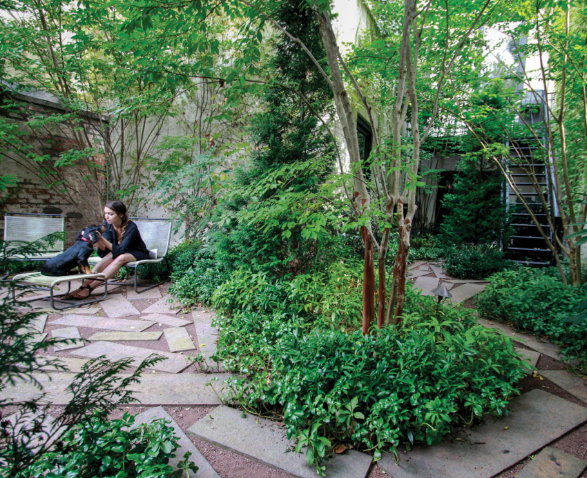
Michael Van Valkenburgh Associates (MVVA) has become a beacon of sustainable landscape design. Focusing on harmony between urban settings and natural ecosystems, MVVA emphasizes environmental responsibility alongside aesthetic beauty. This blog post delves into the core principles and practices that characterize Michael Van Valkenburgh’s approach to sustainable landscape design.
1. The Importance of Native Plant Selection
A central tenet of sustainable landscape design is the selection of native plants. Native species are not only better adapted to local climates but also support local wildlife, including pollinators and birds. For example, the planting of native wildflowers can significantly enhance biodiversity in urban parks, attracting species that might otherwise be displaced.
Furthermore, native plants often require less water and fewer chemical inputs, leading to reduced maintenance costs and a smaller environmental footprint. By creating landscapes that reflect local ecology, designers can foster a deeper connection between humans and nature. This approach contrasts sharply with the use of non-native species, which can drain resources and disrupt local ecosystems.
-
- Research local flora for your area.
-
- Choose plants that are drought-resistant.
-
- Incorporate a mix of species for biodiversity.
-
- Avoid invasive species that can disrupt the ecosystem.
2. Water Management Techniques
Effective water management is essential in sustainable landscape design. Van Valkenburgh’s projects often incorporate innovative techniques such as rain gardens, bioswales, and permeable paving. These methods not only manage stormwater runoff but also improve groundwater recharge and reduce pollution in nearby waterways.
For instance, by designing a landscape with slopes that funnel rainwater into specially designed gardens, excess runoff can be absorbed and filtered naturally. This not only lessens the burden on municipal drainage systems but also enhances the aesthetic and ecological value of the space. Careful planning and soil preparation can create vibrant spaces that utilize water efficiently.
-
- Incorporate rain gardens to capture stormwater.
-
- Use permeable surfaces to allow water infiltration.
-
- Install a rain barrel to capture roof runoff.
-
- Choose plants suited for wet and dry conditions.
3. Designing for Resilience
Resilience in landscape design refers to the ability of ecosystems to adapt to changing conditions, such as climate change. Michael Van Valkenburgh emphasizes flexible designs that can thrive under various environmental stresses. This includes selecting durable materials and planting resilient species that can withstand extreme weather events.
For example, landscapes that prioritize biodiversity are more likely to recover from disturbances, such as floods or droughts. MVVA’s designs often feature layered plantings that not only look appealing but can also enhance ecosystem resilience. This foresighted approach ensures that landscapes remain functional and beautiful over the long term.
-
- Incorporate diverse plant species into your design.
-
- Use high-quality materials that withstand the elements.
-
- Plan for gradual changes to be made over time.
-
- Engage with local communities to gather insights.
4. Community Engagement in Design
Community involvement is vital in the sustainable landscape design process. MVVA encourages an inclusive approach, where local communities participate in the planning and design phases. This involvement can reflect the unique cultural and historical attributes of an area, ensuring that the landscape serves the communities that inhabit it.
By conducting workshops and gathering feedback, designers can create landscapes that genuinely resonate with their users. For example, involving community members in planting days builds pride in the space and fosters a sense of ownership. This collaborative spirit not only enriches the design but also strengthens community ties.
-
- Host community workshops for input and ideas.
-
- Encourage local volunteer participation in maintenance.
-
- Share design concepts for feedback and refinement.
-
- Adapt design elements based on community culture.
5. Integration of Art and Nature
In addition to the environmental aspects, Michael Van Valkenburgh seamlessly integrates art into landscape design. Art installations can enhance the visual appeal of spaces, inviting users to explore and interact with their surroundings. By melding functional design with artistic elements, the landscapes become not just places to pass through but destinations in their own right.
For instance, a sculpture garden can create a beautiful dialogue between art and nature, encouraging visitors to contemplate their relationship with both. This integration fosters a sense of wonder and inspires stewardship of the environment. The spaces become not only functional but also enriching experiences for all who encounter them.
-
- Consider adding sculptures or installations to landscape designs.
-
- Utilize art to reflect local culture and history.
-
- Encourage rotational art exhibits to keep the landscape dynamic.
-
- Create educational signage to enhance visitor engagement with art.
In conclusion, Michael Van Valkenburgh Associates exemplifies the future of sustainable landscape design through innovative practices and community engagement. By incorporating native plants, managing water efficiently, building resilience, and integrating art, you can take the steps necessary to create beautiful, sustainable landscapes. Consider consulting with professionals in the field to implement these strategies in your own projects.