
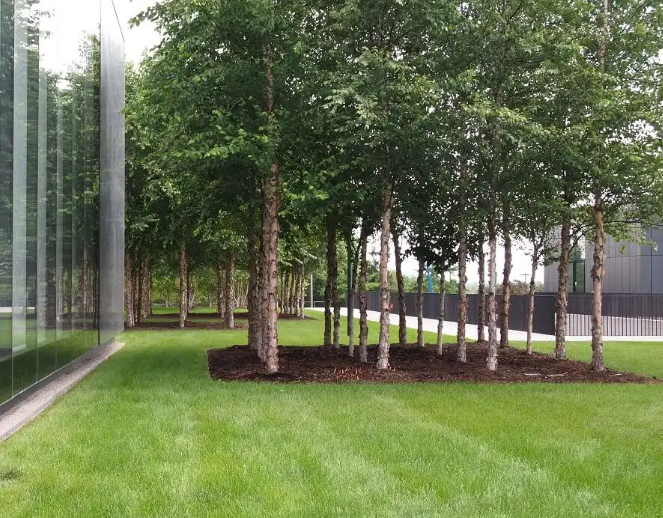
Michel Desvigne is known for creating innovative urban forest designs that seamlessly blend nature with urban living. His work emphasizes the importance of biodiversity, sustainability, and community interaction, fostering green spaces that are both functional and aesthetically pleasing. This post delves into key elements of Desvigne’s urban forest design principles and how they can inspire future projects.
1. Emphasizing Biodiversity in Urban Spaces
One of the foundations of Michel Desvigne’s urban forest design is his commitment to biodiversity. By selecting a variety of native plant species, he ensures that urban green spaces thrive, offering habitats for local wildlife. For instance, instead of using a single type of tree, implementing a mix of oaks, maples, and flowering plants can create a vibrant ecosystem that supports various insects, birds, and small mammals. This biodiversity isn’t just beneficial for wildlife; it also enhances the aesthetic value of urban areas.
Incorporating biodiversity into urban forests can improve air quality, reduce heat islands, and manage stormwater effectively. For example, Desvigne’s projects often feature rain gardens and bioswales that help absorb rainwater while providing habitat for diverse species. This multifaceted approach not only beautifies the environment but also creates resilient urban landscapes that adapt to climate changes.
-
- Research and select native plants for your location.
-
- Incorporate a mix of trees, shrubs, and flowering plants.
-
- Consider soil conditions and drainage when planning plant placement.
-
- Design for habitat diversity, not just visual appeal.
-
- Maintain a balance between hardscape and landscape elements.
2. Designing for Community Engagement
Desvigne places a strong emphasis on community-centric design in his urban forests. His projects encourage community interaction by creating spaces where people can gather, learn, and enjoy nature. For instance, the inclusion of walking paths, seating areas, and educational signage fosters an environment that invites the public to engage with their surroundings. When communities feel connected to their green spaces, they are more likely to take ownership and participate in their maintenance.
The design also integrates spaces for recreational activities, such as children’s play areas and community gardens. These components not only enhance social cohesion but also promote an understanding and appreciation of nature among community members. As a result, urban forests become more than just green spaces; they transform into vibrant hubs of activity and connectivity.
-
- Incorporate seating and gathering areas in your design.
-
- Create educational and informative signage about local flora and fauna.
-
- Include recreational spaces for activities like gardening or games.
-
- Host community events to promote engagement with the forest.
-
- Encourage local volunteer initiatives for forest maintenance.
3. Promoting Sustainability and Resilience
Michel Desvigne’s urban forest designs are rooted in sustainability, aiming to create landscapes that are not only beautiful but also capable of withstanding environmental challenges. By prioritizing the use of sustainable materials and construction practices, his projects minimize ecological footprints. For example, using permeable paving helps manage stormwater runoff and reduces flooding during heavy rains.
Furthermore, he advocates for resilient plant choices that can thrive in changing climate conditions. This includes selecting species that are drought-resistant or can cope with urban heat. Designing for resilience means planning for the future and ensuring that urban forests can continue to thrive even amidst evolving environmental challenges.
-
- Utilize sustainable and locally sourced materials in construction.
-
- Incorporate water-efficient landscaping techniques.
-
- Choose native plants that can withstand climate variations.
-
- Plan for stormwater management to avert flooding.
-
- Involve experts to assess the ecological impact of your design.
In conclusion, Michel Desvigne’s urban forest design philosophy offers invaluable insights for creating vibrant, sustainable, and community-focused green spaces. By prioritizing biodiversity, promoting community engagement, and emphasizing sustainability, we can foster urban forests that enrich both the environment and local communities. Consider consulting a landscape architect to explore how you can implement these principles in your own projects for a greener future.